Underrated Shots
Creative angles and hidden gems in framing that often go unnoticed but have a huge impact on the narrative.
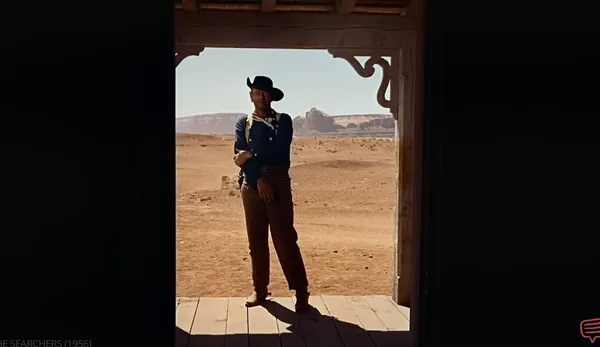
A cowboy stands framed in a doorway with a desert landscape visible in the background.
- Angle
- eye-level
- Shot
- framed shot
- Lens
- standard lens
- When to use
- To emphasize a character's isolation or connection to the environment.
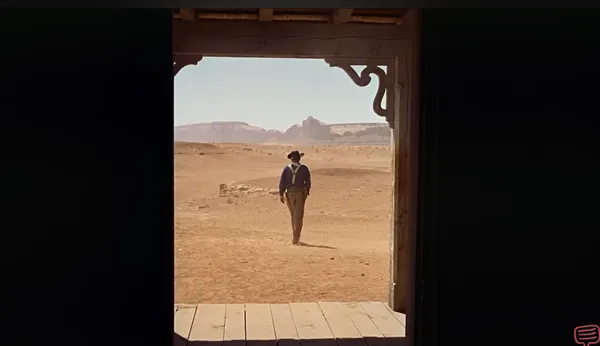
A lone cowboy walks into the desert from a darkened doorway.
- Angle
- eye-level
- Shot
- framed shot
- Lens
- standard lens
- When to use
- Use to highlight transition from confined spaces to open landscapes.
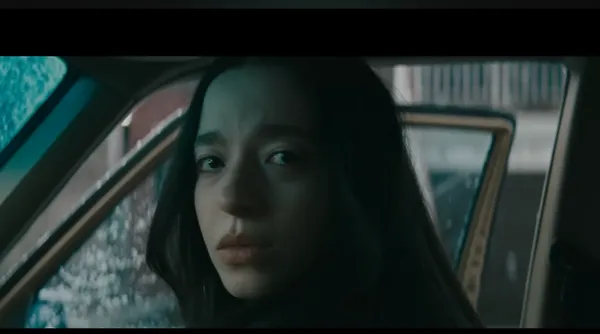
A contemplative individual looks back out of a car.
- Angle
- Eye-level angle
- Shot
- Close-up
- Lens
- Standard lens
- When to use
- To capture emotion and detail in a character's expression.
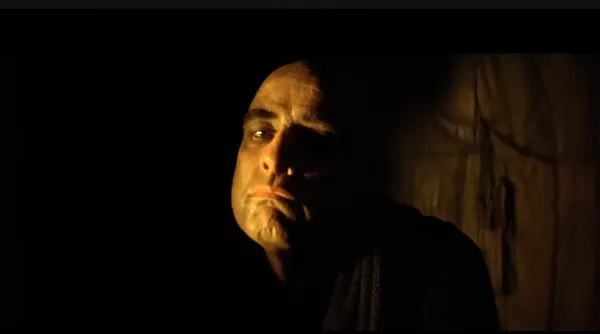
A dimly lit, intense close-up portrait of a character.
- Angle
- Straight-on
- Shot
- Close-up
- Lens
- Standard lens
- When to use
- To create dramatic tension and focus on a character's emotions.
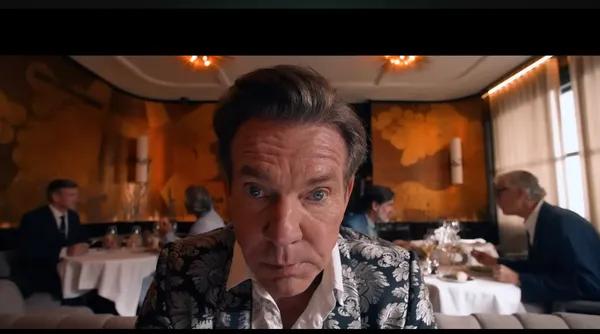
A man stares intensely at the camera in a restaurant scene.
- Angle
- eye-level
- Shot
- close-up
- Lens
- wide-angle lens
- When to use
- Use for creating an intense focus on a character's facial expression and emotions.
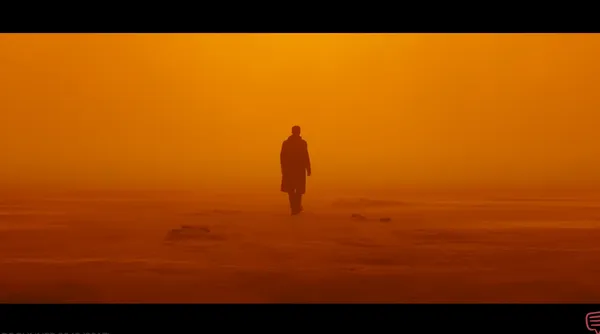
Silhouette of a person walking in a vast, orange-hued landscape.
- Angle
- Eye-level
- Shot
- Wide shot
- Lens
- Possibly a wide-angle lens
- When to use
- When emphasizing isolation or scale in a scene.
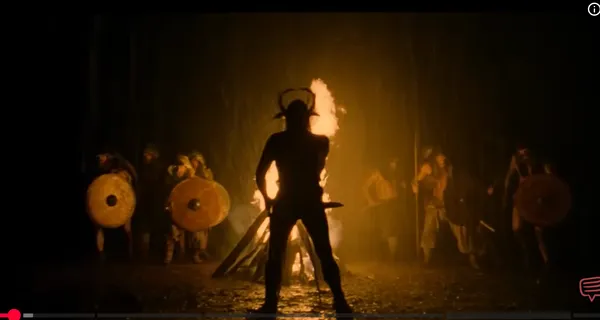
Silhouette of a warrior with horns in front of a fire, surrounded by armed men.
- Angle
- low angle
- Shot
- silhouette shot
- Lens
- wide-angle lens
- When to use
- To create a dramatic and mysterious atmosphere, emphasizing figures and movement against a light source.
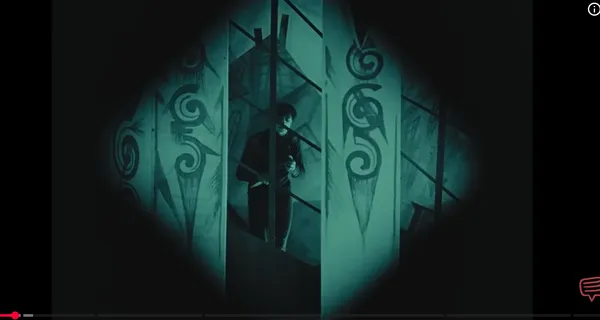
A mysterious figure is peering through abstract, patterned walls.
- Angle
- Eye-level
- Shot
- Framed shot
- Lens
- Telephoto lens
- When to use
- Use to create a dramatic or mysterious atmosphere with a focus on a subject through barriers.
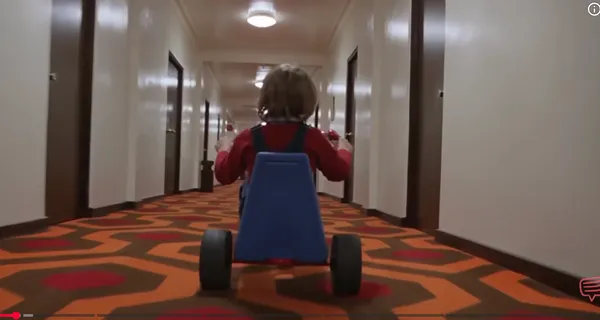
Child riding a tricycle down a long hotel corridor.
- Angle
- low angle
- Shot
- tracking shot
- Lens
- wide-angle lens
- When to use
- Use to create tension and immerse viewers in a character's perspective.
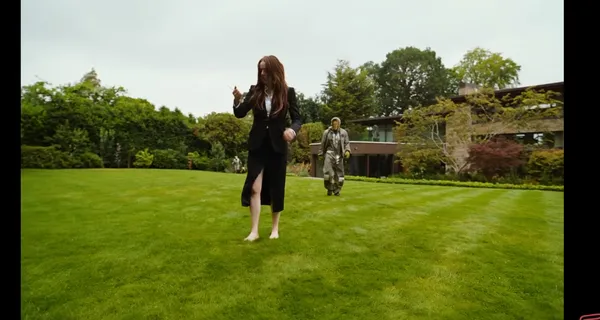
Two people in a garden with a modern house in the background.
- Angle
- eye-level
- Shot
- wide shot
- Lens
- wide-angle lens
- When to use
- Use to establish location and context, showing both characters and background.
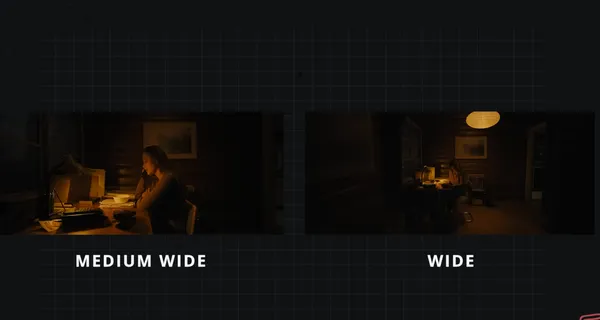
Comparison between medium wide and wide shot in a study setting.
- Angle
- Eye level
- Shot
- Medium wide and wide shot
- Lens
- Standard lens
- When to use
- Use medium wide for more detail and wide for more context.
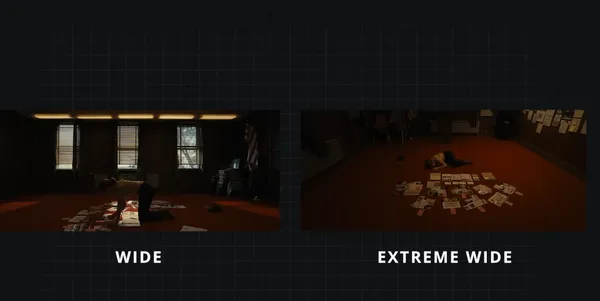
Comparison of wide and extreme wide shots showing a person in a room with documents.
- Angle
- Eye level
- Shot
- Wide and Extreme Wide Shot
- Lens
- Wide-angle lens
- When to use
- To establish a sense of space or show a character's isolation.
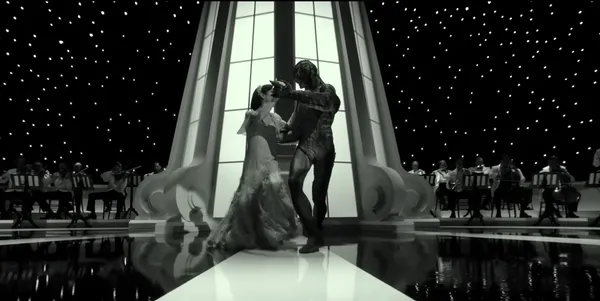
A couple dances elegantly in front of an orchestra with a starry background.
- Angle
- low angle
- Shot
- wide shot
- Lens
- wide-angle lens
- When to use
- To capture both the subjects and the impressive setting around them.
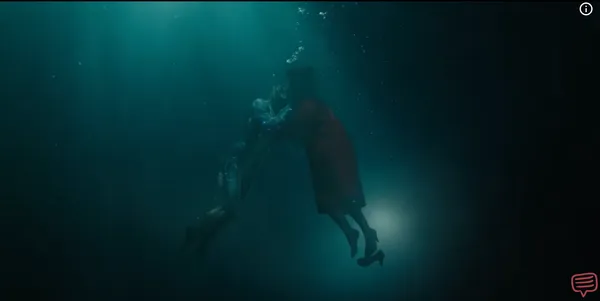
Two figures embrace underwater in an ethereal setting.
- Angle
- eye-level
- Shot
- wide shot
- Lens
- wide-angle lens
- When to use
- Use for capturing expansive scenes with emotional or dramatic impact.
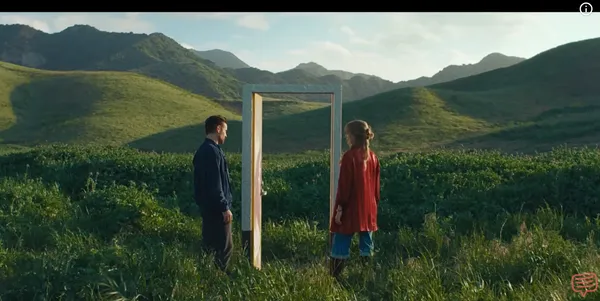
Two people stand facing a doorway in a vast, open landscape.
- Angle
- Eye-level
- Shot
- Wide shot
- Lens
- Possibly a wide-angle lens
- When to use
- Use to establish context and emphasize the environment around subjects.
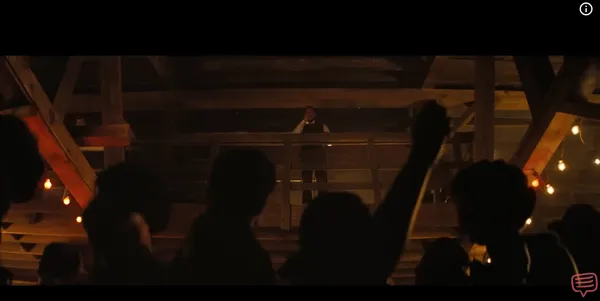
A person stands on a balcony addressing a crowd below.
- Angle
- low angle
- Shot
- wide shot
- Lens
- standard lens
- When to use
- Use to establish a scene and show interaction between characters.
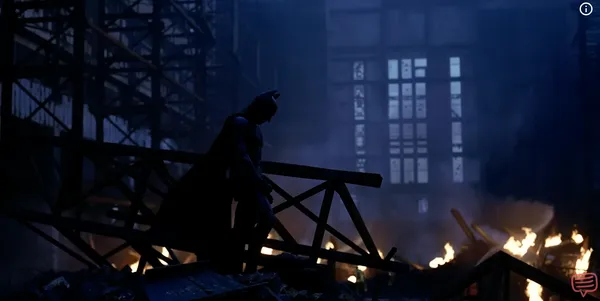
A lone figure silhouetted against flames in a dark, industrial setting.
- Angle
- Low angle
- Shot
- Wide shot
- Lens
- Wide-angle lens
- When to use
- Use to establish a dramatic, atmospheric scene with a focus on setting and mood.
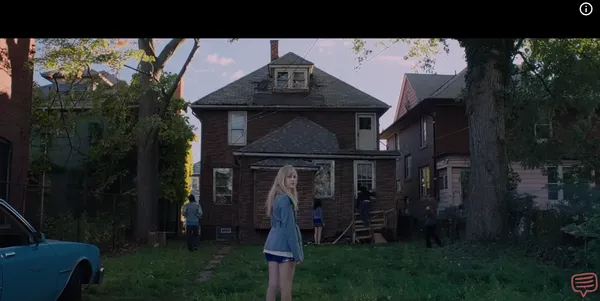
A girl stands in front of an old house in a suburban neighborhood.
- Angle
- eye-level
- Shot
- long shot
- Lens
- standard lens
- When to use
- To establish the setting and context of a scene.
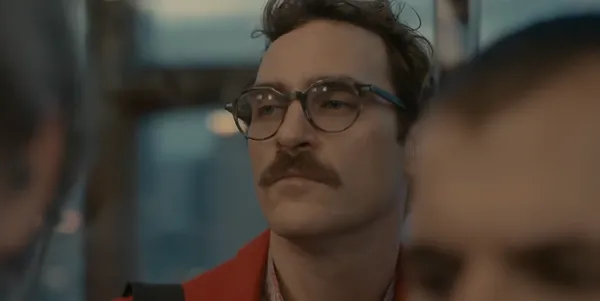
A person is shown in thoughtful contemplation.
- Angle
- Eye-level
- Shot
- Close-up
- Lens
- Possibly a standard lens
- When to use
- To capture intimate emotions or focus on details of a character's expression.
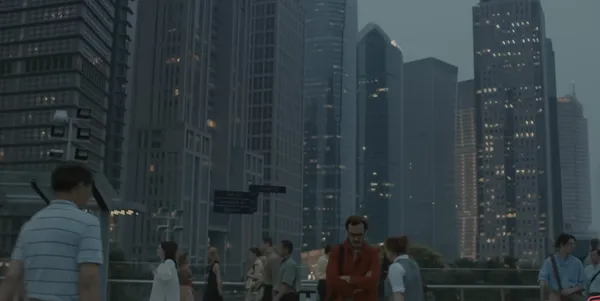
People walking on a city street with skyscrapers in the background.
- Angle
- eye-level
- Shot
- medium shot
- Lens
- standard lens
- When to use
- Use this shot to capture everyday scenes or social interactions in an urban environment.
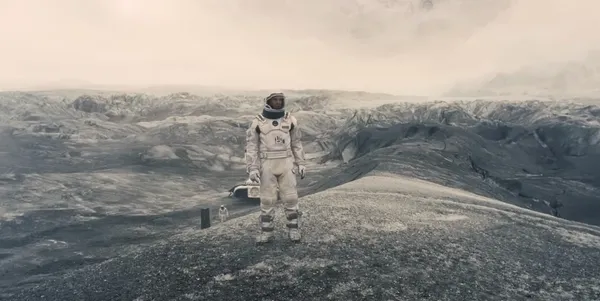
Astronaut standing in a desolate, alien landscape.
- Angle
- eye-level
- Shot
- wide shot
- Lens
- wide-angle
- When to use
- To establish a sense of isolation or emphasize the vastness of the environment.
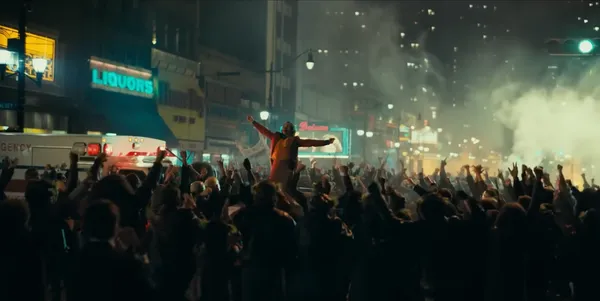
A person triumphantly stands in a crowd with raised arms amidst city chaos.
- Angle
- high-angle
- Shot
- wide shot
- Lens
- wide-angle lens
- When to use
- To capture large scenes with dynamic action and emphasize the scale of an event.
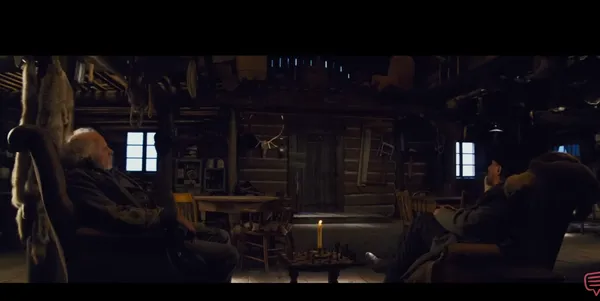
Two characters are sitting in a dimly lit cabin with a candle and chessboard.
- Angle
- eye-level
- Shot
- wide shot
- Lens
- unknown
- When to use
- To establish context and atmosphere in an interior setting.
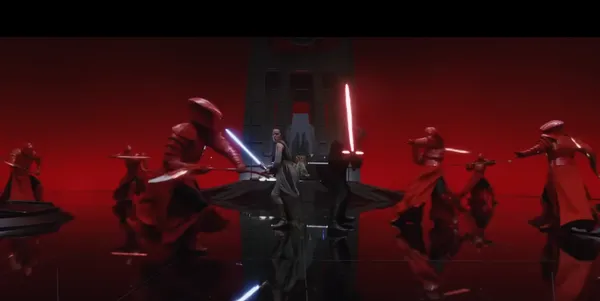
Dramatic lightsaber battle in a striking red room.
- Angle
- eye level
- Shot
- wide shot
- Lens
- standard lens
- When to use
- To capture dynamic action scenes with multiple characters.
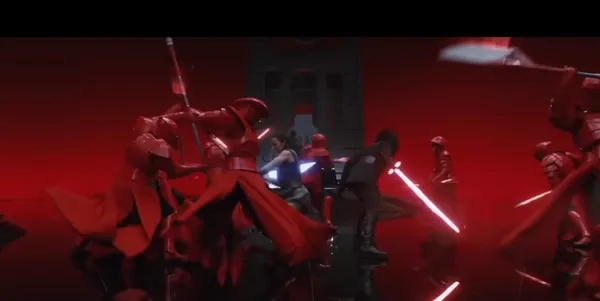
Intense battle in a futuristic, red-lit setting
- Angle
- eye-level
- Shot
- medium shot
- Lens
- standard lens
- When to use
- Use for dynamic action scenes to capture multiple characters and movement.
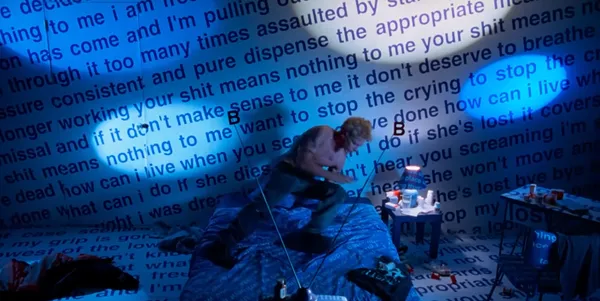
A chaotic room with a person in intense motion surrounded by large text.
- Angle
- high angle
- Shot
- wide shot
- Lens
- wide-angle lens
- When to use
- To capture the full setting and emphasize environmental chaos.
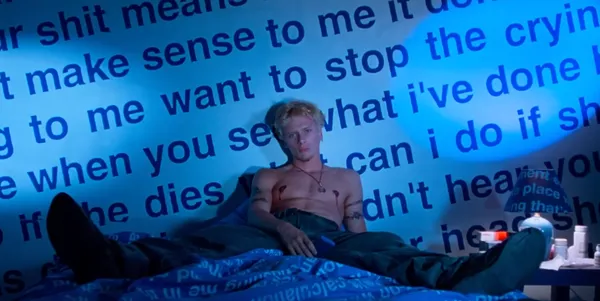
A person sits shirtless on a bed with oversized text on the wall.
- Angle
- eye level
- Shot
- medium shot
- Lens
- wide-angle lens
- When to use
- Use to create an intimate, immersive scene with background emphasis.
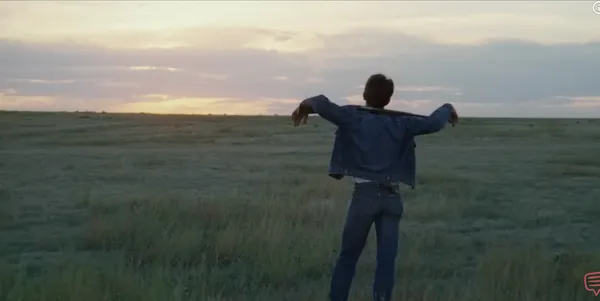
A person standing in a field with arms outstretched towards the sunset.
- Angle
- eye level
- Shot
- wide shot
- Lens
- wide-angle lens
- When to use
- Use it to capture expansive landscapes and evoke a sense of freedom.
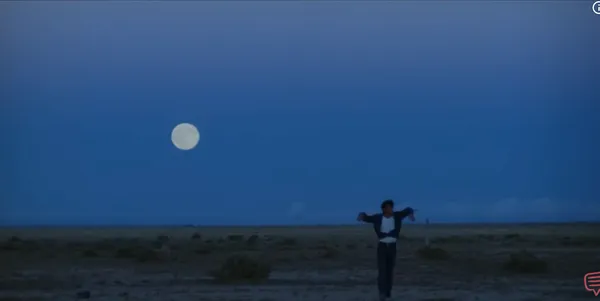
A solitary figure walks across an open landscape under a full moon.
- Angle
- eye-level
- Shot
- wide shot
- Lens
- telephoto lens
- When to use
- Use for capturing vast landscapes and conveying a sense of isolation or freedom.
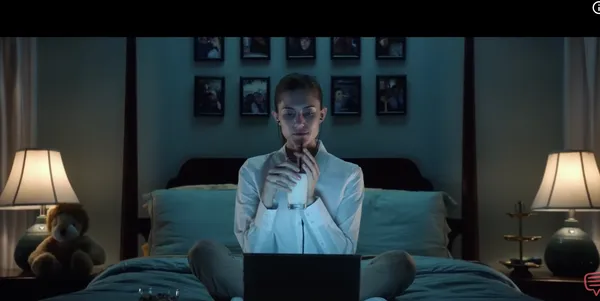
Person sits on a bed with a laptop, surrounded by cozy lighting.
- Angle
- Eye level
- Shot
- Medium shot
- Lens
- Standard lens
- When to use
- Use for intimate, personal scenes to focus on the subject without distraction.
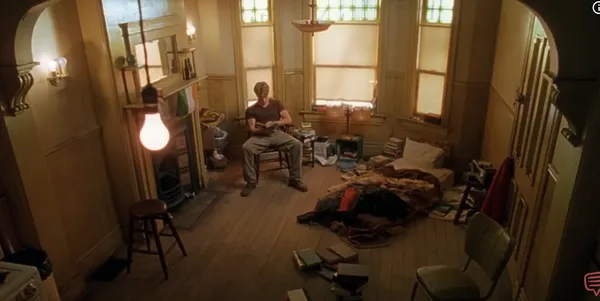
A person sits in a cluttered room reading a book.
- Angle
- high angle
- Shot
- wide shot
- Lens
- wide-angle lens
- When to use
- To establish the setting and mood of a scene, giving a sense of space and context.
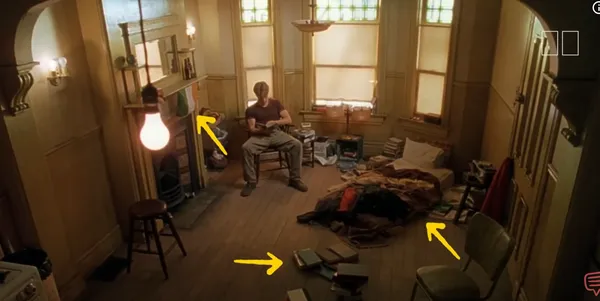
A person sitting in a cluttered room with books and a bed on the floor.
- Angle
- high angle
- Shot
- wide shot
- Lens
- wide-angle lens
- When to use
- To show the entire environment and context of the scene.
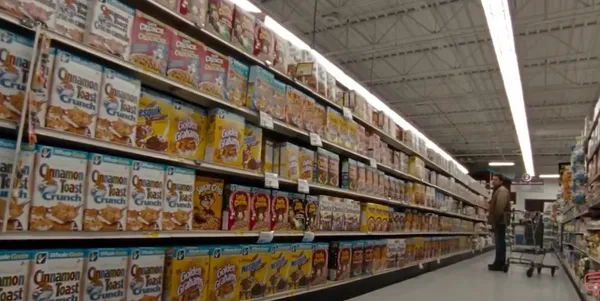
A person browsing cereal in a grocery aisle.
- Angle
- low angle
- Shot
- wide shot
- Lens
- wide-angle lens
- When to use
- To emphasize the scale of the environment or the number of choices available.
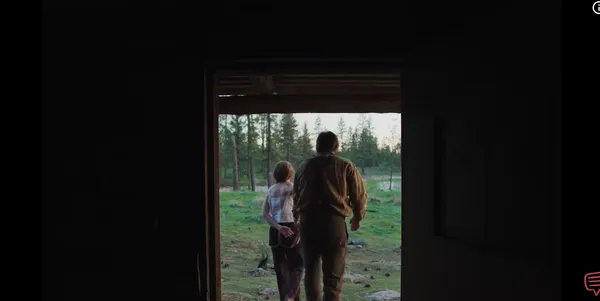
A couple walks out into a lush, forested landscape through a doorway.
- Angle
- eye-level
- Shot
- over-the-shoulder shot
- Lens
- standard lens
- When to use
- Use to convey a new beginning or transition into a different space or environment.
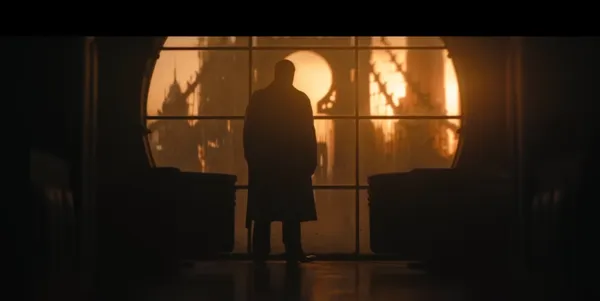
Silhouette of a figure against a sunset in a futuristic setting.
- Angle
- Eye level angle
- Shot
- Wide shot
- Lens
- Standard lens
- When to use
- To establish mood or setting with dramatic lighting.
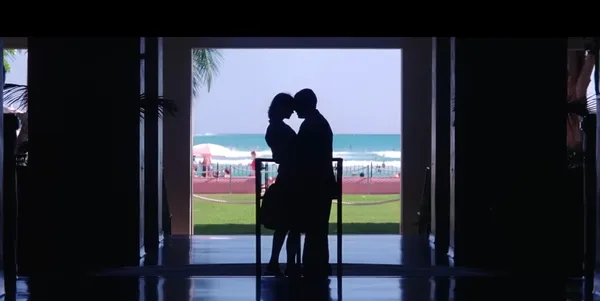
Silhouette of a couple kissing with a bright seascape backdrop.
- Angle
- Eye level
- Shot
- Silhouette shot
- Lens
- Standard lens
- When to use
- To create a dramatic and romantic effect, emphasizing shapes and outline.
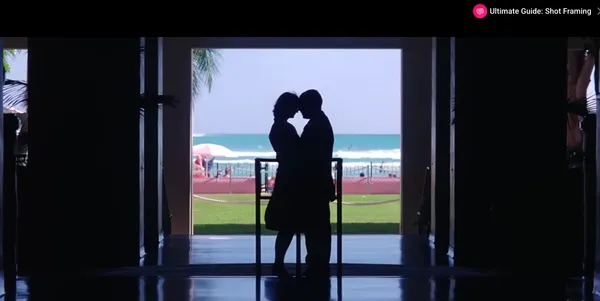
Silhouette of a couple embracing with a beach background.
- Angle
- Eye-level
- Shot
- Silhouette shot
- Lens
- Standard lens
- When to use
- To create a romantic or dramatic effect by focusing on shapes and outlines.
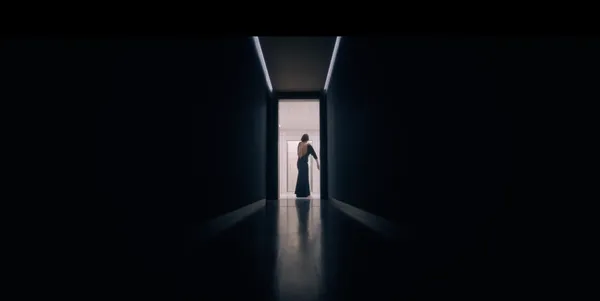
A lone person walks down a dimly lit hallway towards a bright doorway.
- Angle
- low angle
- Shot
- long shot
- Lens
- wide-angle lens
- When to use
- Use to create a sense of isolation or emphasize a journey.
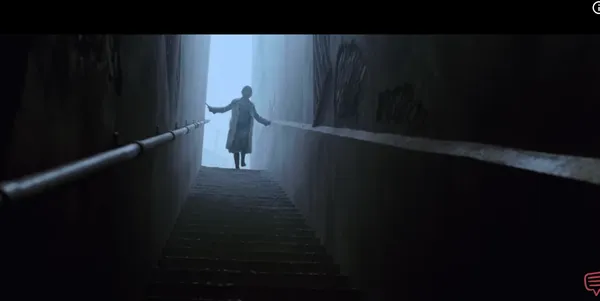
A lone figure descends a dimly lit staircase.
- Angle
- low angle
- Shot
- long shot
- Lens
- wide-angle lens
- When to use
- To create a sense of isolation or suspense in a scene.
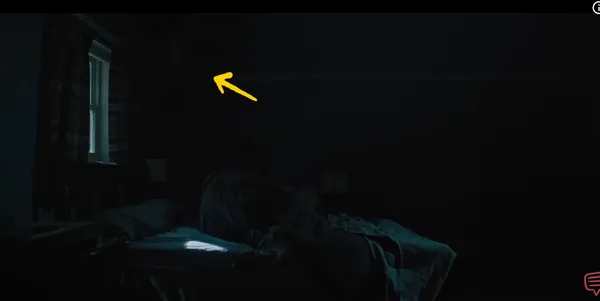
A dimly lit room with a single source of natural light from a window.
- Angle
- eye-level
- Shot
- wide shot
- Lens
- standard lens
- When to use
- Use to establish a moody or intimate scene with minimal lighting.
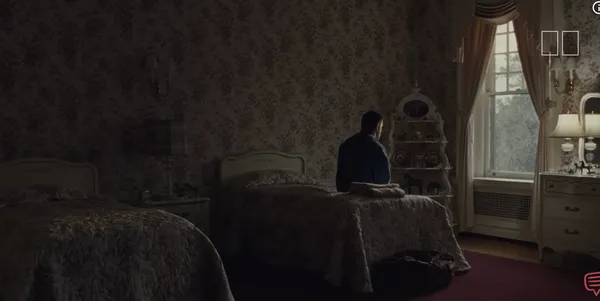
A person sitting on a bed in a dimly lit room, looking out the window.
- Angle
- Eye level
- Shot
- Medium shot
- Lens
- Standard lens
- When to use
- For intimate, personal moments conveying contemplation or solitude.
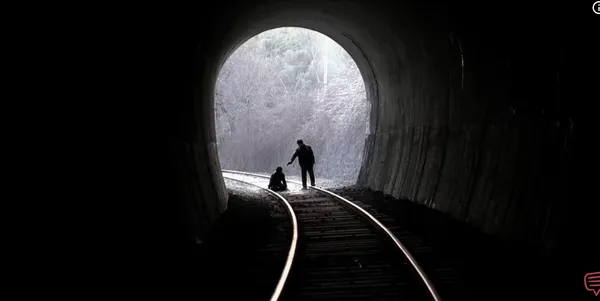
Silhouetted figures in a tunnel with light in the distance.
- Angle
- Eye-level
- Shot
- Long shot
- Lens
- Wide-angle lens
- When to use
- To create dramatic and mysterious effects or emphasize isolation and distance.
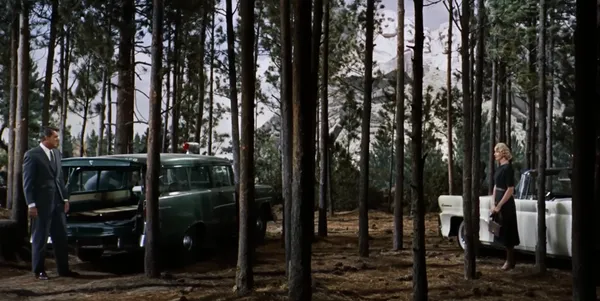
A man and a woman stand facing each other between parked cars in a forest.
- Angle
- eye-level
- Shot
- long shot
- Lens
- standard lens
- When to use
- Use for establishing context between characters in a natural setting.
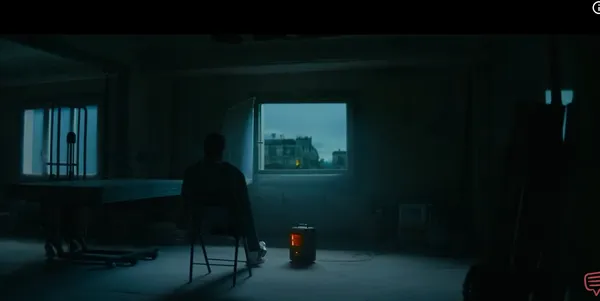
A person sits alone in a dimly lit room facing a window.
- Angle
- eye-level
- Shot
- wide shot
- Lens
- wide-angle lens
- When to use
- Use for establishing atmosphere or conveying isolation.
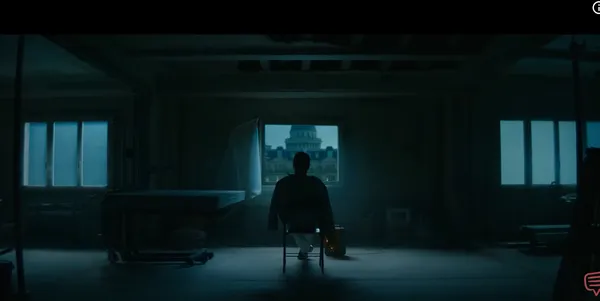
A lone figure sits in a dimly lit room facing a window with a city view.
- Angle
- eye-level
- Shot
- wide shot
- Lens
- standard lens
- When to use
- to create a sense of isolation or contemplation.
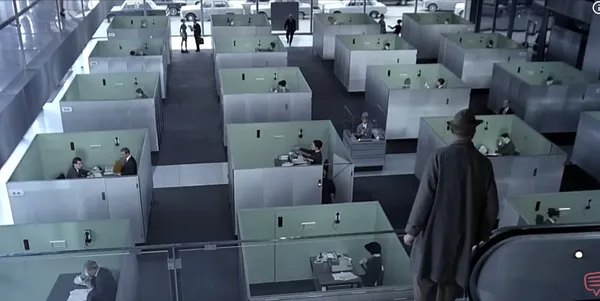
A man descends an escalator overlooking a grid of cubicles in a modern office setting.
- Angle
- high angle
- Shot
- wide shot
- Lens
- wide-angle lens
- When to use
- Use for establishing setting and context in a large environment.
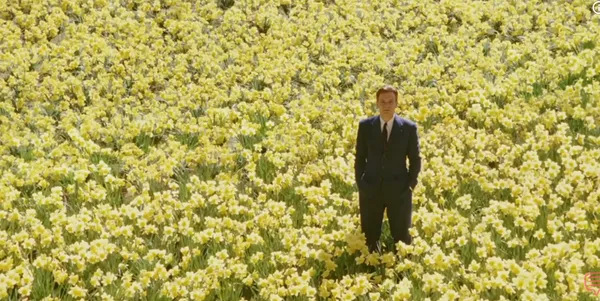
A man stands in a field of yellow flowers.
- Angle
- high angle
- Shot
- long shot
- Lens
- wide-angle lens
- When to use
- To establish a connection between the subject and their environment.
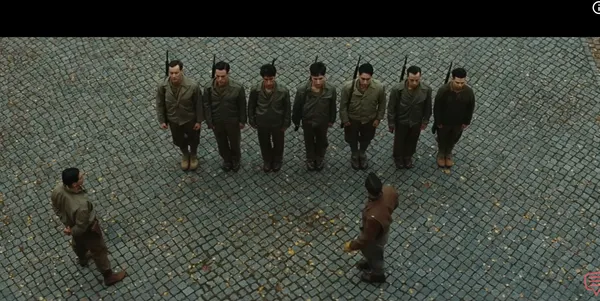
A group of soldiers standing in formation being addressed by two men.
- Angle
- high-angle
- Shot
- wide shot
- Lens
- standard lens
- When to use
- To show the dynamics of a group and establish authority or hierarchy.
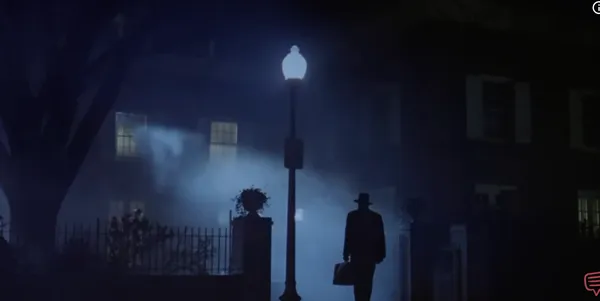
A silhouetted figure under a streetlamp in a foggy, eerie setting.
- Angle
- eye-level
- Shot
- wide shot
- Lens
- not specified
- When to use
- to establish atmosphere and setting, creating suspense or mystery.
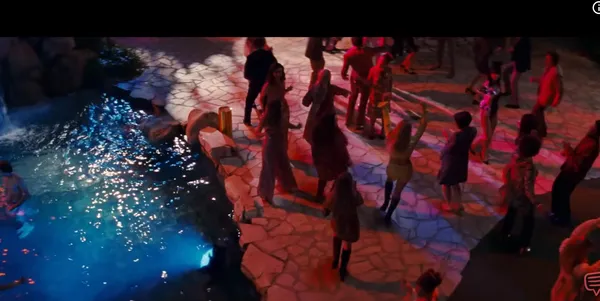
A vibrant party scene with people dancing near a pool.
- Angle
- high angle
- Shot
- wide shot
- Lens
- wide-angle lens
- When to use
- To capture the energy and atmosphere of a large gathering or event.
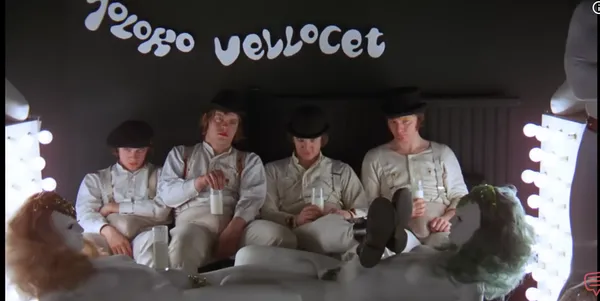
Four people sitting in a stylized bar setting with unique decor.
- Angle
- eye-level
- Shot
- medium shot
- Lens
- standard lens
- When to use
- Use for character-focused scenes that require context of environment and interaction.
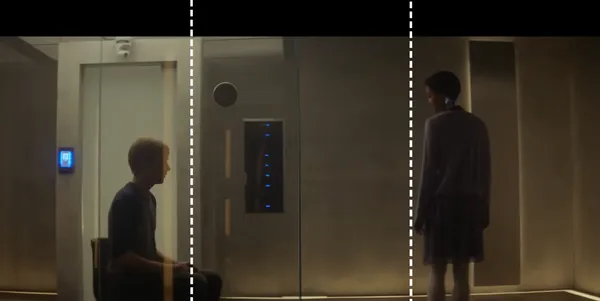
Two people facing each other separated by glass walls.
- Angle
- side view
- Shot
- medium shot
- Lens
- standard lens
- When to use
- When you want to highlight interaction or separation between characters.
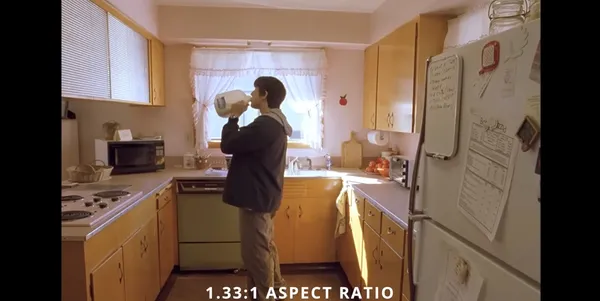
Person drinking from milk jug in a kitchen.
- Angle
- eye-level
- Shot
- medium shot
- Lens
- standard lens
- When to use
- To depict everyday life or routine activities.
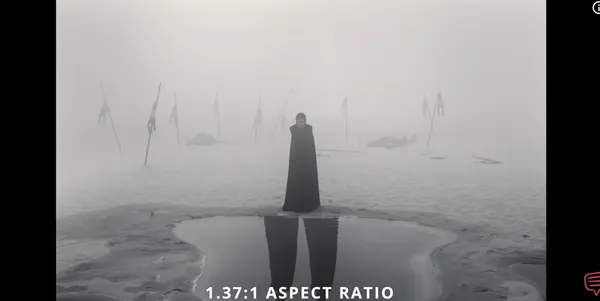
A lone figure stands in a foggy, desolate landscape with reflective water and flags.
- Angle
- eye-level
- Shot
- wide shot
- Lens
- standard lens
- When to use
- Use for establishing mood and setting in a scene with an individual in a vast environment.
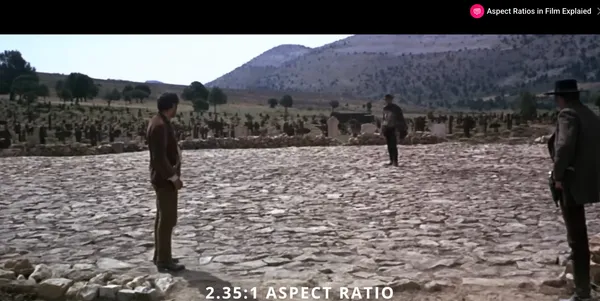
Three characters face off in a wide open area resembling a cemetery.
- Angle
- eye-level
- Shot
- wide shot
- Lens
- likely a wide-angle lens
- When to use
- Establishing scene context and character positions in a large space.
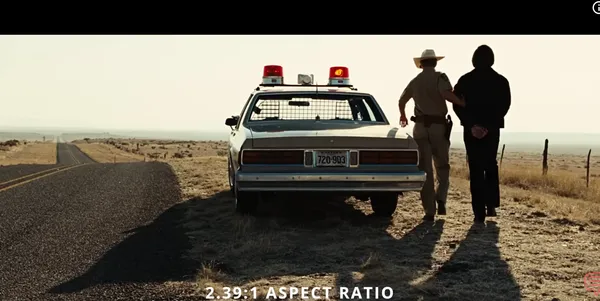
A police officer walking with a person in handcuffs by a patrol car on an empty rural road.
- Angle
- Eye level
- Shot
- Long shot
- Lens
- Wide-angle lens
- When to use
- To establish isolation or vastness of a location.
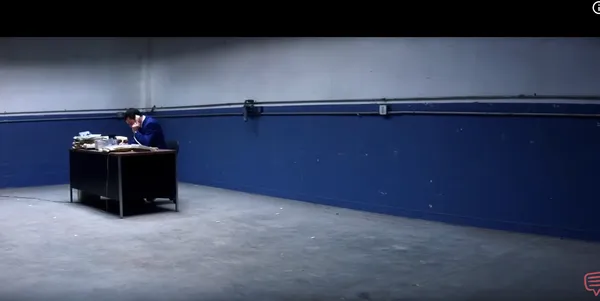
A man is sitting alone at a desk in a large empty room.
- Angle
- eye level
- Shot
- wide shot
- Lens
- wide-angle lens
- When to use
- Use to emphasize isolation or highlight the environment over the subject.
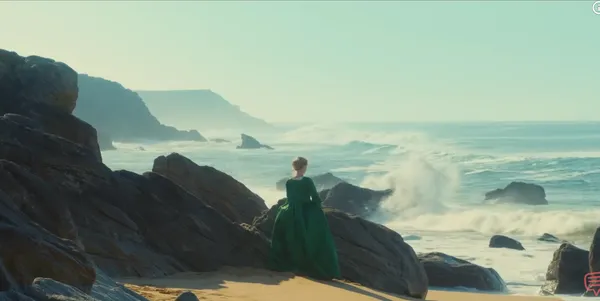
A person in a green dress gazes at the ocean waves crashing on rocky cliffs.
- Angle
- Eye-level
- Shot
- Wide shot
- Lens
- Wide-angle lens
- When to use
- Use for capturing expansive landscapes and context in a single frame.
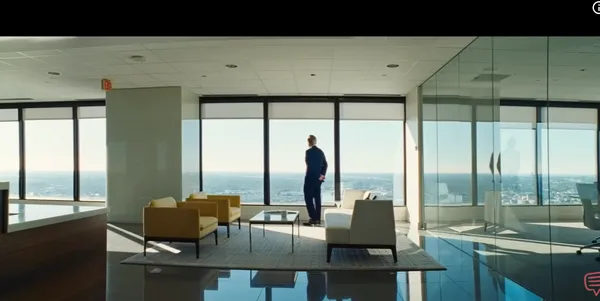
A person stands in a modern office space overlooking a cityscape.
- Angle
- eye level
- Shot
- wide shot
- Lens
- wide-angle lens
- When to use
- Use this shot to establish context and show environment or setting.
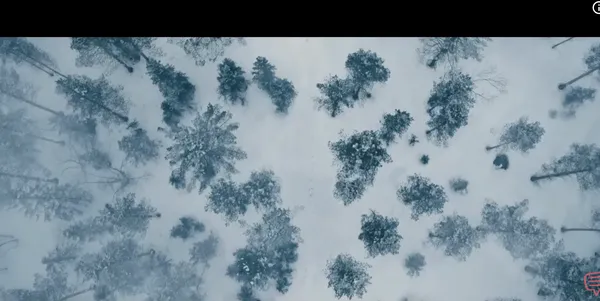
Snow-covered forest seen from above.
- Angle
- bird's-eye view
- Shot
- aerial shot
- Lens
- not specified
- When to use
- To showcase a landscape from an overhead perspective.
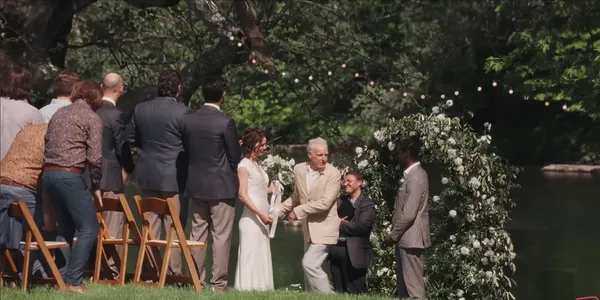
An outdoor wedding ceremony by a river with guests and a couple at the altar.
- Angle
- Eye level
- Shot
- Medium wide shot
- Lens
- Standard lens
- When to use
- To capture a broad view of a scene with multiple subjects in a natural setting.
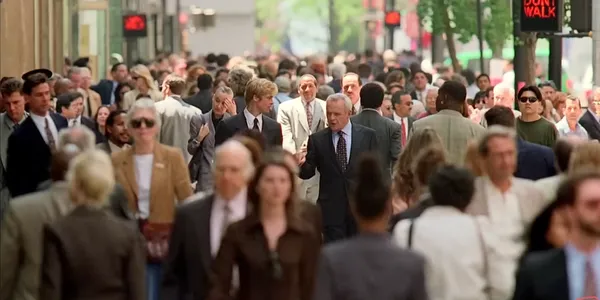
Busy city street filled with pedestrians.
- Angle
- Eye-level
- Shot
- Wide shot
- Lens
- Telephoto lens
- When to use
- To capture crowded settings and show dynamics in public spaces.
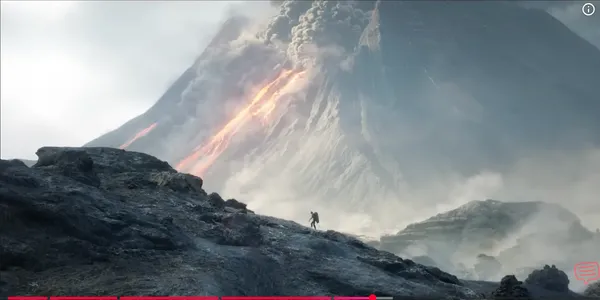
A person approaches a smoking and erupting volcano.
- Angle
- wide angle
- Shot
- long shot
- Lens
- telephoto lens
- When to use
- To convey vastness or isolation in a scene.
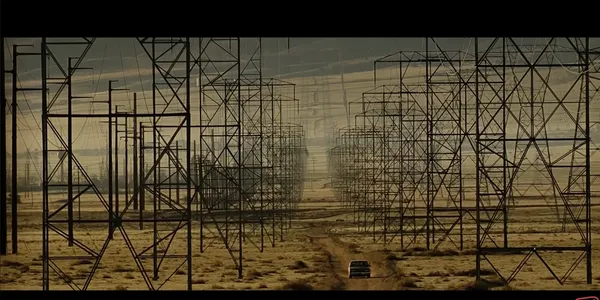
A car driving through a field of power lines in a vast landscape.
- Angle
- eye-level
- Shot
- long shot
- Lens
- telephoto lens
- When to use
- To capture wide landscapes and convey a sense of isolation or scale.
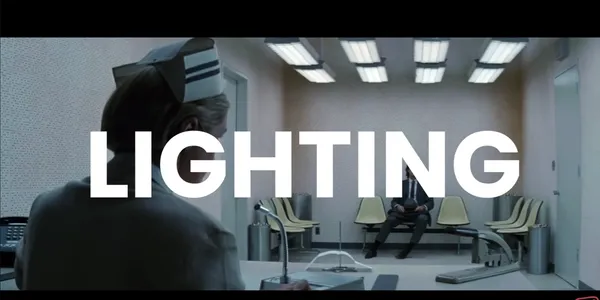
A tense waiting room scene with a focus on lighting.
- Angle
- over-the-shoulder
- Shot
- medium shot
- Lens
- standard lens
- When to use
- Use to emphasize interactions or tension in clinical or formal settings.
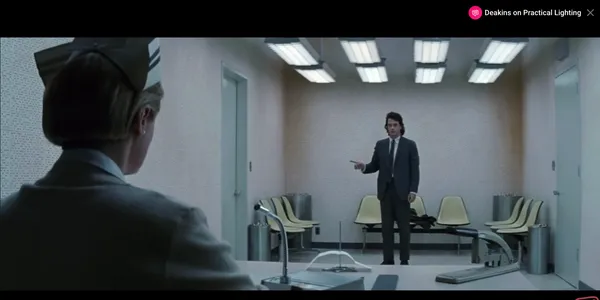
A man in a suit confronts a seated figure in an empty, clinical room.
- Angle
- over-the-shoulder
- Shot
- medium shot
- Lens
- standard lens
- When to use
- Use for conversations or confrontations to show interaction between two characters.
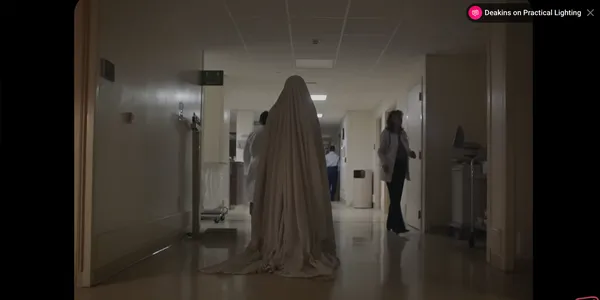
A mysterious figure draped in a sheet stands in a hospital hallway.
- Angle
- eye-level
- Shot
- medium shot
- Lens
- standard lens
- When to use
- To create suspense or highlight a mysterious or ominous presence.
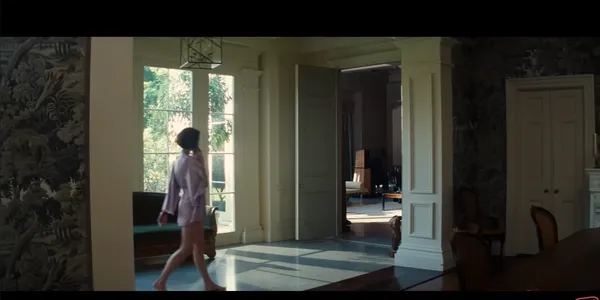
A person walking in a well-lit interior space with large windows.
- Angle
- eye-level
- Shot
- wide shot
- Lens
- standard lens
- When to use
- To establish a setting and show a person's movement within a space.
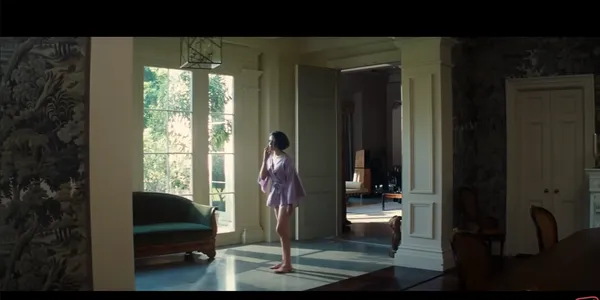
A person stands in a sunlit room looking out a window.
- Angle
- eye-level
- Shot
- medium shot
- Lens
- standard lens
- When to use
- To convey a sense of normalcy and balance in a character's environment.
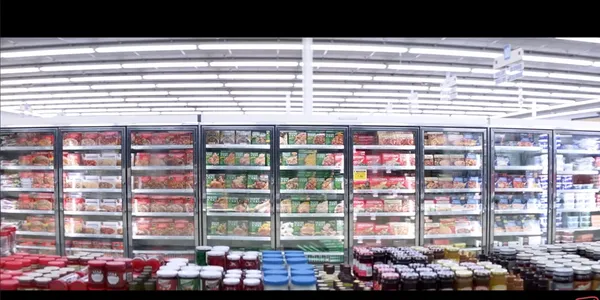
Wide view of a grocery freezer aisle.
- Angle
- eye-level
- Shot
- wide shot
- Lens
- wide-angle lens
- When to use
- Use for establishing a location or showing extensive detail in a scene.
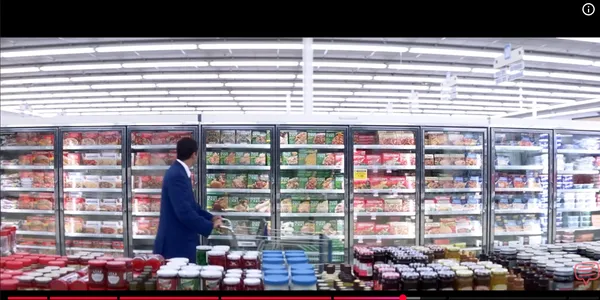
A person shopping in a supermarket aisle with frozen goods.
- Angle
- eye-level
- Shot
- wide shot
- Lens
- standard lens
- When to use
- Use this shot to establish the environment and context of a location.
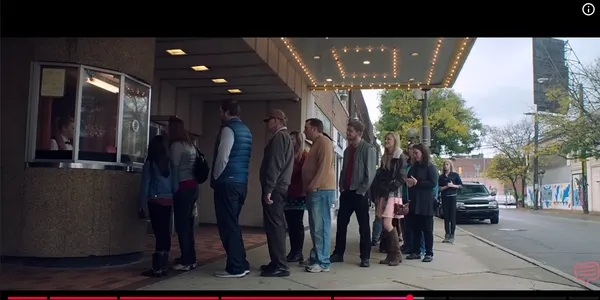
People lined up outside a ticket booth on a street.
- Angle
- eye-level
- Shot
- medium shot
- Lens
- standard lens
- When to use
- Use for capturing interactions and context in everyday settings.
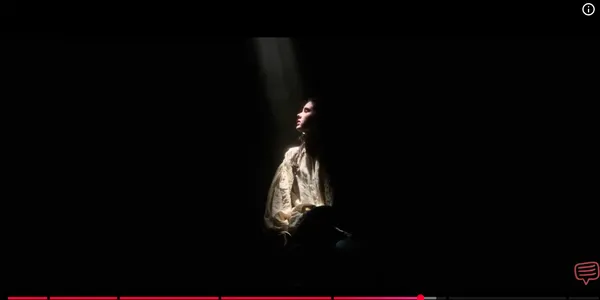
A person is dramatically illuminated by a single beam of light in a dark setting.
- Angle
- eye-level
- Shot
- medium shot
- Lens
- unknown
- When to use
- Use for dramatic emphasis or to convey a sense of isolation.
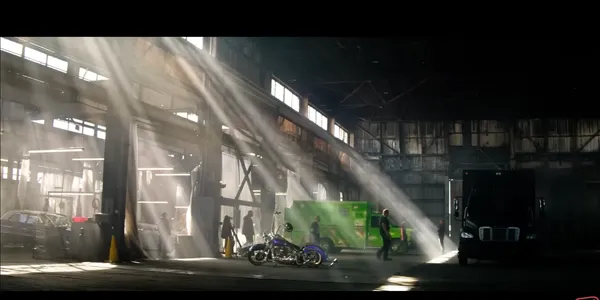
Sunbeams illuminate an industrial garage with vehicles and people.
- Angle
- eye-level
- Shot
- wide shot
- Lens
- wide-angle
- When to use
- to establish environment and context.
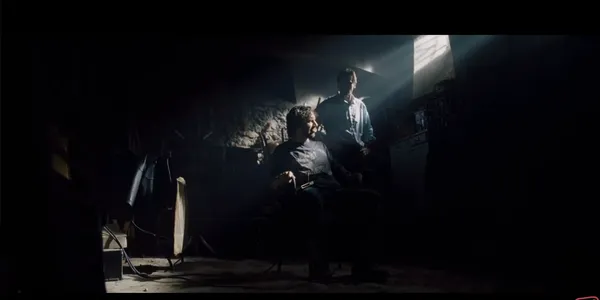
A dramatic and tense interaction in a dimly lit room.
- Angle
- eye-level
- Shot
- medium shot
- Lens
- normal lens
- When to use
- Use to capture a dramatic, intimate interaction between characters with a focus on their expressions and the mood of the setting.
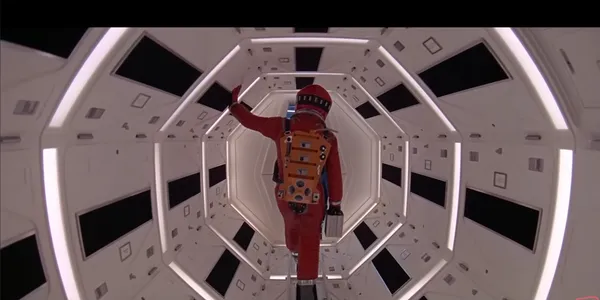
Astronaut walking through a futuristic, well-lit spacecraft corridor.
- Angle
- Behind shot
- Shot
- Medium shot
- Lens
- Wide-angle lens
- When to use
- To create a sense of depth and focus on the environment surrounding a character.
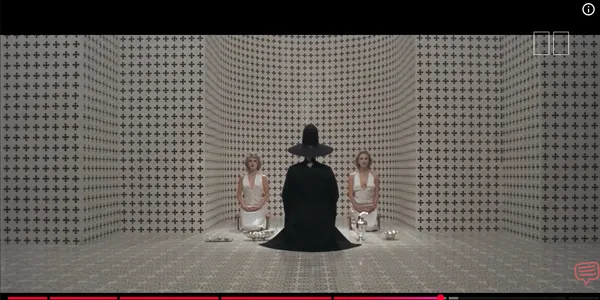
A person in a black robe and hat sits facing two women in a patterned room.
- Angle
- head-on
- Shot
- wide shot
- Lens
- wide-angle lens
- When to use
- Use to establish setting and context with symmetry and visual balance.
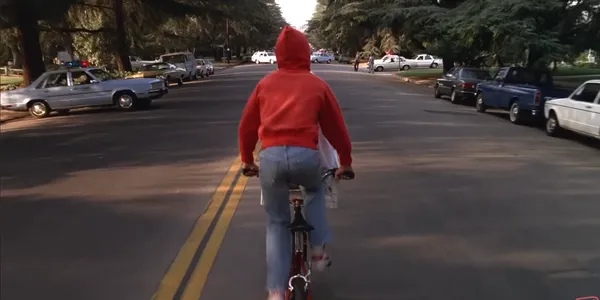
Person riding a bicycle down a road with cars parked on the sides.
- Angle
- rear view
- Shot
- tracking shot
- Lens
- wide-angle lens
- When to use
- Use for dynamic scenes where following a subject's movement is key.
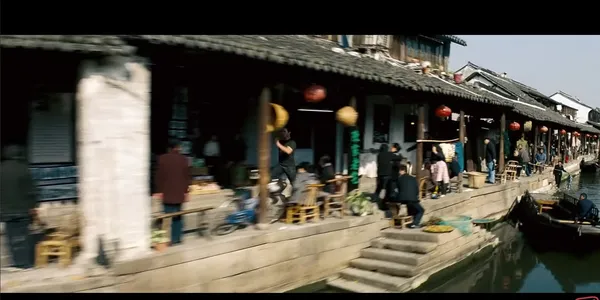
A bustling riverside market scene in an old town.
- Angle
- Eye level
- Shot
- Panning long shot
- Lens
- Wide-angle lens
- When to use
- Use to establish a setting with movement and context.
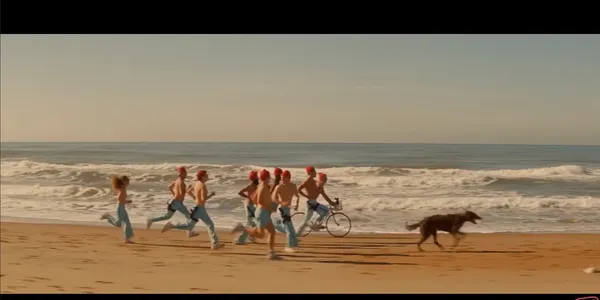
Group of people jogging along the beach with a dog and a bicycle.
- Angle
- Eye level
- Shot
- Wide shot
- Lens
- Standard lens
- When to use
- To capture group activities and establish the environment.
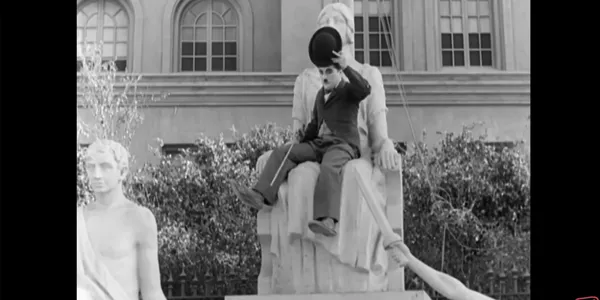
A person humorously sitting on a large statue.
- Angle
- eye level
- Shot
- medium shot
- Lens
- standard lens
- When to use
- To capture both the character and their amusing interaction with their surroundings.
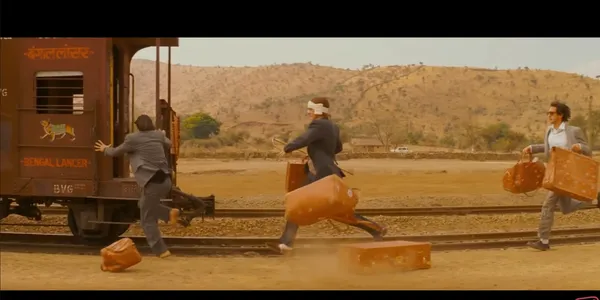
Three men in suits are running to catch a moving train with luggage.
- Angle
- side view
- Shot
- long shot
- Lens
- standard lens
- When to use
- Use for capturing action scenes at a distance to show context and movement.
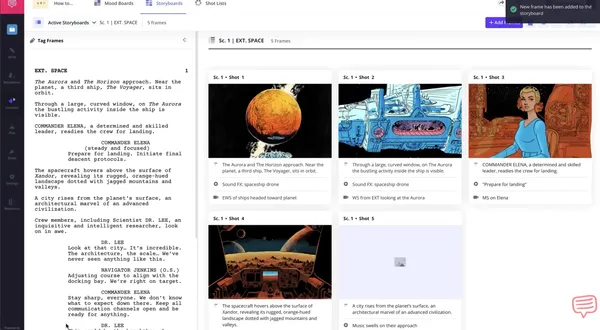
Storyboard showing a space mission and interaction inside a spaceship.
- Angle
- Variety of angles including external and internal.
- Shot
- Wide shot, medium shot, and extreme wide shot.
- Lens
- Not specified.
- When to use
- Use for visual storytelling in sci-fi settings to convey scale and character interactions.